Some cities grow. Others reinvent.
Detroit is doing the latter—and it’s offering a clear lens into where modern real estate is heading.
As someone who calls Detroit home, I’ve been watching this transformation closely. What’s happening isn’t just development—it’s a shift in how we think about design, value, and community.
Design Is Driving Value
Detroit’s resurgence isn’t about starting over—it’s about adaptive reuse.
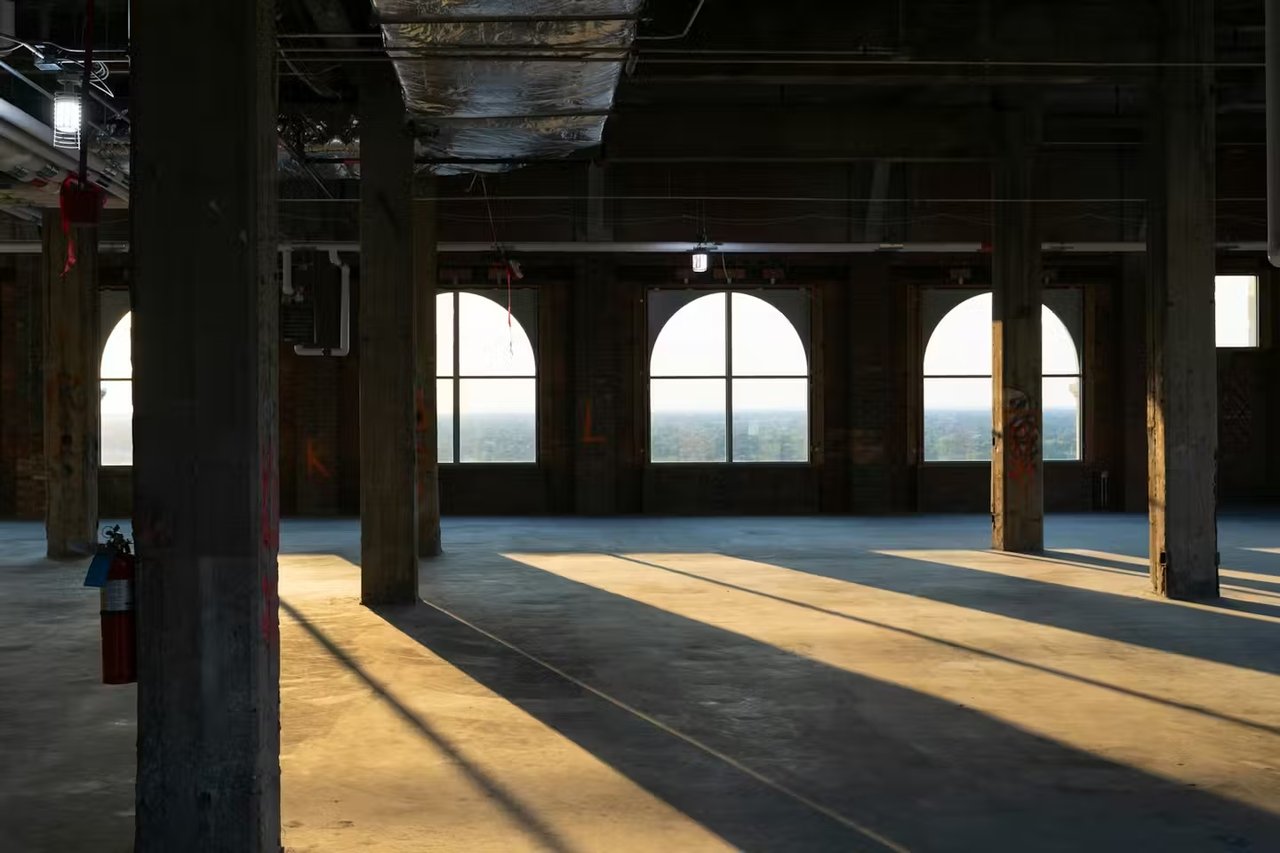
Historic buildings are being restored, not replaced. Spaces like Michigan Central Station have gone from abandoned to reimagined—layering history with modern use.
That approach does more than preserve architecture.
It creates scarcity, character, and long-term value—the same qualities buyers are increasingly prioritizing in Seattle.
Growth—But From Within
What makes this moment different is who’s shaping it.
Designers. Artists. Small business owners.
The energy feels local, not imposed. And that kind of growth tends to be more sustainable—and more aligned with how people actually want to live.
A Familiar Tension
Of course, growth comes with pressure:
-
Rising home values
-
Affordability concerns
-
Risk of displacement
It’s the same dynamic we’re navigating across Seattle—from Ballard to Beacon Hill. Which raises a critical question for buyers and sellers: What actually creates lasting value in a changing city?
The Takeaway for Seattle Buyers & Sellers
Detroit offers a clear answer:
-
Character matters. Homes with architectural integrity and story outperform over time.
-
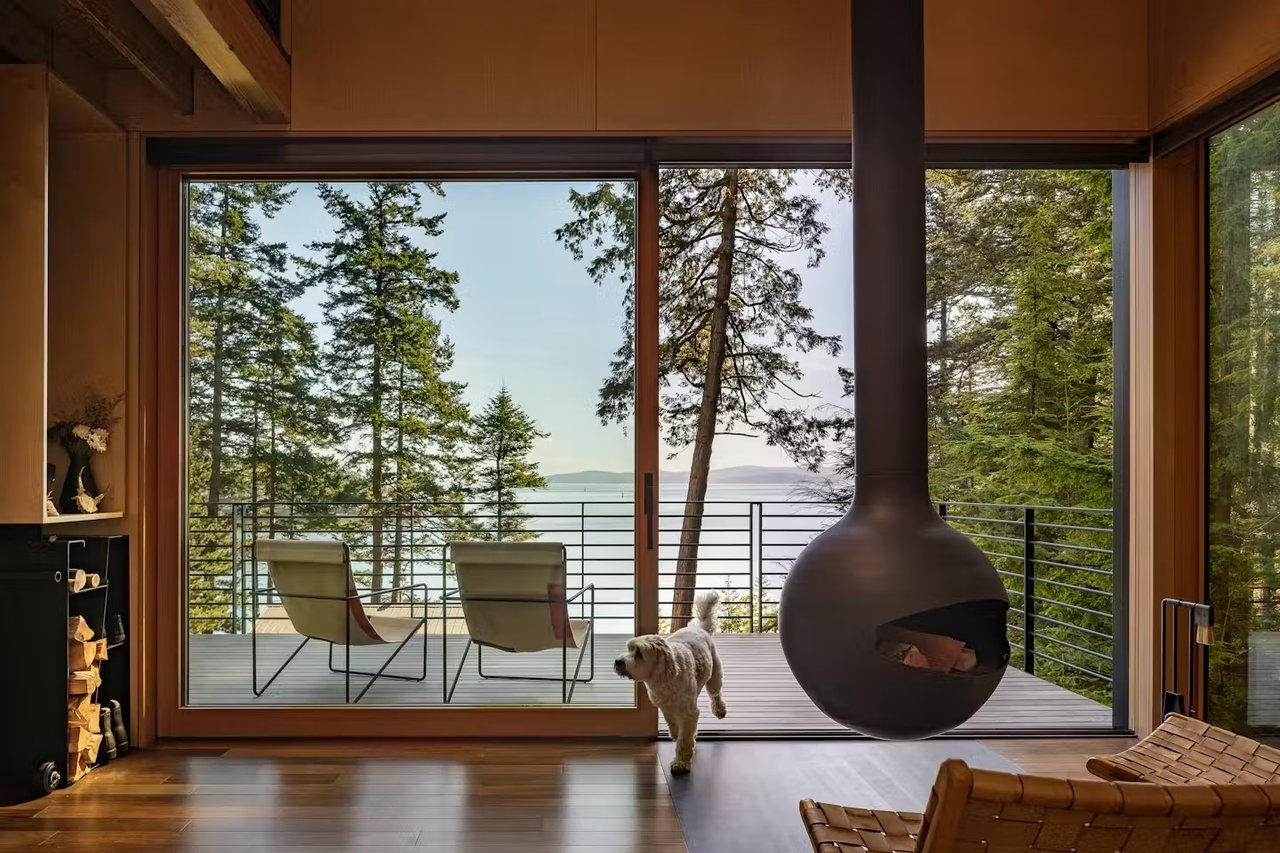
Design matters. Light, flow, and thoughtful updates drive demand.
-
Community matters. Neighborhoods with culture and identity hold value longer.
In today’s Seattle market, those aren’t soft factors—they’re strategic ones.
Looking Forward
Real estate isn’t just about square footage or timing anymore.
It’s about how a home—and a neighborhood—feels, functions, and evolves over time.
Detroit is proving that cities don’t need to lose their edge to grow.
Seattle’s opportunity is to do the same.
If you’re interested in the full story behind Detroit’s transformation, it’s well worth the read: Full DWELL Article