Travel has a way of changing your perspective.
Having lived in Los Angeles, New York, Chicago, and now Seattle, I’ve always been fascinated by what makes certain cities feel so enjoyable to live in. Wilson and I recently returned from Copenhagen, a city that has long ranked among the world’s most livable. Like many visitors, I expected beautiful architecture and exceptional design. What surprised me was how effortlessly everything seemed to fit together.
The first thing you notice is the quiet. Bicycles seem to outnumber cars, and the city moves at a pace designed around people rather than traffic. The absence of engine noise changes the entire experience. It feels calmer, more connected, and remarkably relaxing.
Our mornings often began with a pilgrimage to one of Copenhagen’s celebrated bakeries, each claiming to make the city’s best cardamom bun. (For us, the clear winner was Juno.) Afternoons were spent exploring museums and galleries before joining locals along the harbor, where people swam, gathered with friends, or simply soaked in the long Nordic summer evenings. Dinner was rarely ordinary—whether at a Michelin-starred restaurant or a neighborhood bistro—there was an unmistakable appreciation for craftsmanship, local ingredients, and thoughtful design.
Watch the Short Film
A short film inspired by this story.
What struck me wasn’t any one experience. It was how seamlessly all of these moments were woven into everyday life.
Walking and cycling through Copenhagen made me think differently about Seattle. Not because Copenhagen is perfect, but because so many of the qualities that make it consistently rank among the world’s most livable cities already exist here. We have an extraordinary natural setting, a thriving design community, distinctive neighborhoods, miles of waterfront, remarkable parks, and one of the country’s great urban recreational corridors in the Burke-Gilman Trail. The question isn’t whether Seattle can become Copenhagen. It’s how we continue building on the qualities that already make Seattle such a remarkable place to call home.
Shortly after returning, I came across Monocle’s latest ranking of the world’s most livable cities. Tokyo claimed the top spot, followed by Copenhagen, Lisbon, Vienna, and Sydney. Despite their differences, they all share common traits: excellent public transportation, abundant green space, strong cultural identity, public safety, and neighborhoods designed around people rather than cars.
As someone who helps clients evaluate neighborhoods every day, I couldn’t help but notice that these are many of the same qualities buyers quietly search for. They rarely tell me they’re looking for “livability.” Instead, they ask for walkability, access to parks, neighborhood cafés, proximity to the water, or an easy bike ride to work. They’re really describing the same thing: a place that enriches everyday life.
Seattle already offers that experience in many of its neighborhoods. Madison Park and Madrona combine walkable village centers with easy access to Lake Washington. Ballard and Fremont have evolved into vibrant urban neighborhoods where cafés, restaurants, parks, and local businesses become part of everyday routines. Great neighborhoods aren’t defined by square footage alone—they’re defined by how they encourage us to connect with our surroundings and with one another.
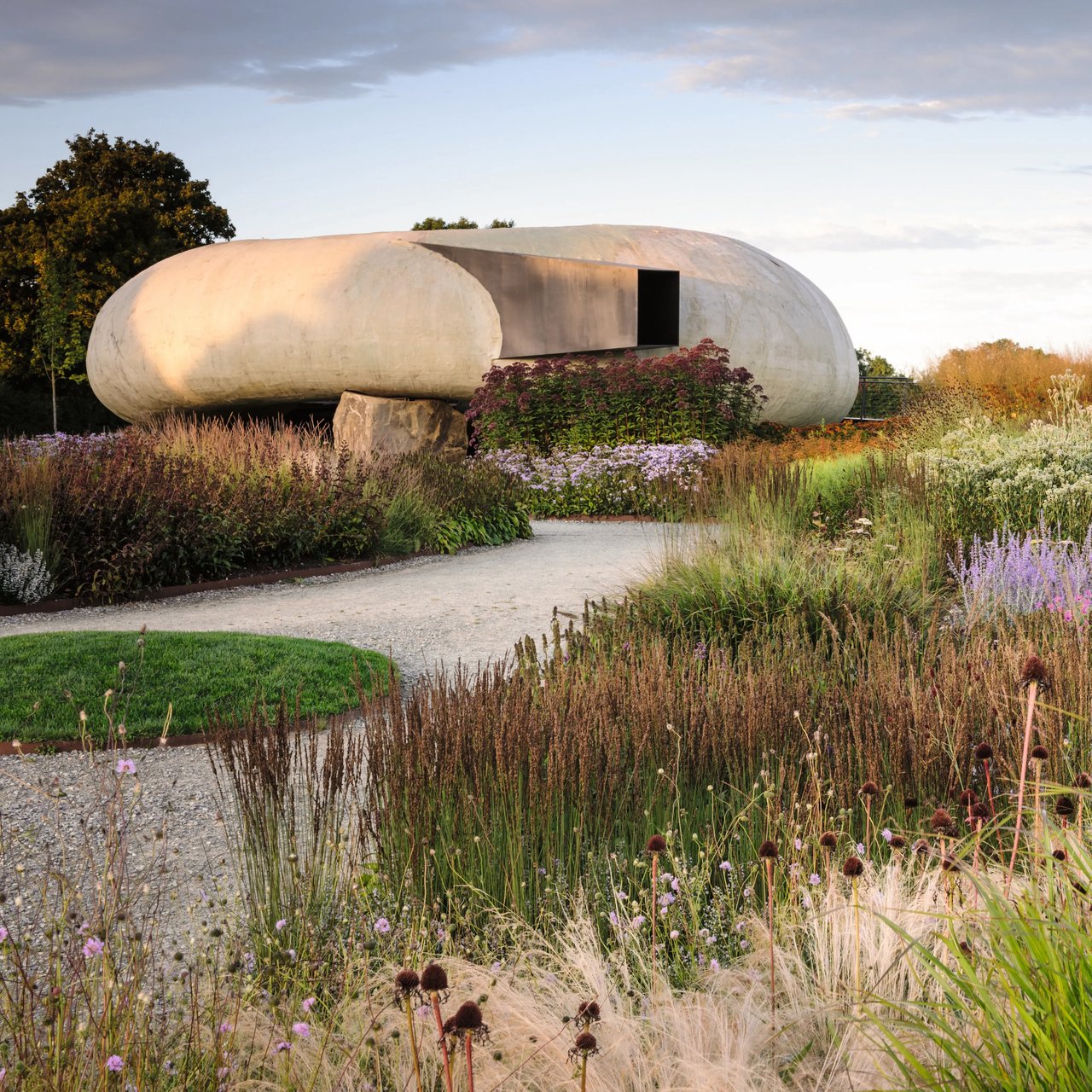
One of my favorite discoveries was the landscape surrounding the Copenhagen Opera House. I later learned it was designed by Dutch landscape architect Piet Oudolf, whose work I had unknowingly admired for years through New York’s High Line and Chicago’s Lurie Garden. Seeing his work in Copenhagen inspired me to pick up his latest book before flying home—and reminded me how naturally his philosophy of landscape design could translate to the Pacific Northwest. It’s a topic that deserves its own conversation, and one I’ll explore in my next post.
Travel reminded me that homes don’t exist in isolation. They are part of a larger story—one shaped by neighborhoods, parks, architecture, public spaces, local businesses, and the everyday experiences that define quality of life.
Buying a home isn’t simply an investment in a property. It’s an investment in a community and a way of living.
Copenhagen didn’t make me wish Seattle were somewhere else. Instead, it reminded me how much potential we already have. The qualities that make cities more livable also make neighborhoods more resilient, more desirable, and ultimately better places to call home.
Sometimes it takes seeing another city to appreciate your own a little more—and to imagine what it could become.